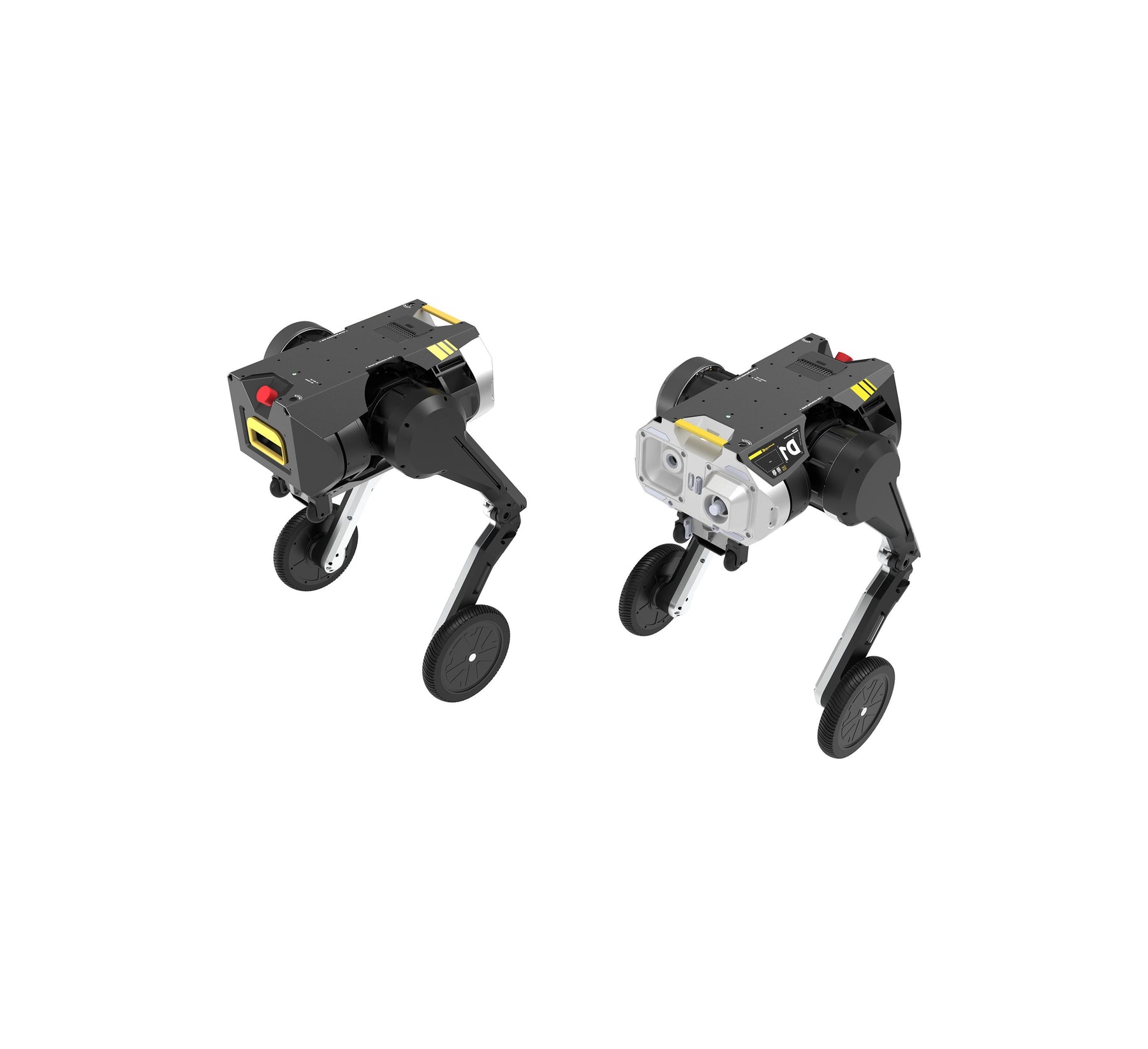
Choosing the right D1 robot configuration depends on where the robot will operate, what tasks it needs to complete, and how large the deployment will become. For indoor logistics, a compact setup with precise navigation can improve efficiency by 15–30%. Outdoor inspection projects may require stronger mobility, longer battery life, and wider sensor coverage. Direct Drive D1 configurations provide different options for regions and project sizes, helping teams match hardware capability with real operating conditions.
A D1 robot configuration should begin with an evaluation of the working environment. Different regions have different requirements because temperature, terrain, infrastructure, and operational patterns affect robot performance. A warehouse in Germany, an inspection site in Canada, or an agricultural project in Australia may require different hardware selections even when the general robot tasks are similar.
A 2024 industrial robotics survey showed that more than 60% of automation projects adjusted their robot specifications after reviewing environmental conditions, rather than selecting equipment only by standard performance data.
Indoor environments usually have predictable layouts, smooth surfaces, and fixed routes. These projects often focus on navigation accuracy, compact dimensions, and integration with existing systems. A D1 robot used in a factory or warehouse may prioritize accurate positioning, efficient movement, and stable communication.
For example, automated material handling facilities often operate 16–24 hours per day. A configuration that improves navigation accuracy by 10% can reduce unnecessary stops during repeated transportation cycles. In spaces where robots complete hundreds of tasks daily, small improvements in positioning reliability can influence overall operation efficiency.
The requirements change when robots move into outdoor environments. Construction areas, energy facilities, farms, and inspection locations usually contain uneven surfaces, weather exposure, and changing obstacles. These conditions require stronger mechanical structures, improved sensing capability, and longer operating time.
Field robotics studies published between 2020 and 2025 reported that outdoor mobile robots commonly require 30–50% more sensing coverage compared with indoor systems because environmental conditions change more frequently.
Regional climate should also be considered during configuration selection. Robots operating in cold areas may require improved battery management because low temperatures can reduce battery efficiency. In hot and dry environments, thermal protection and dust resistance become more important.
| Region Type | Common Applications | Configuration Preference |
|---|---|---|
| Western Europe | Smart factories, warehouses, laboratories | Precision navigation and compact mobility |
| North America | Inspection, industrial automation, outdoor monitoring | Extended range and stronger payload capability |
| Australia | Agriculture, mining support, remote inspection | Long endurance and terrain adaptation |
| Northern Europe | Outdoor monitoring, infrastructure inspection | Weather resistance and reliable communication |
Project size also affects configuration choices. A research prototype, a small pilot program, and a large commercial deployment have different priorities. Early-stage projects often need flexible hardware because engineers may test different sensors, software systems, or operating methods.
For example, a university research project may modify the robot platform several times within 12 months. In this situation, modular interfaces and expandable computing options are usually more useful than a fixed industrial configuration. A commercial fleet deployment with 100 or more robots may instead focus on maintenance efficiency and standardized hardware.
Companies operating robotic fleets with more than 100 units often prioritize configuration consistency because reducing maintenance complexity can improve fleet availability by approximately 15–20%.
The scale of the project determines the balance between flexibility and standardization. Small projects usually benefit from customization, while larger projects require repeatable performance across multiple locations.
| Project Scope | Recommended Configuration Approach |
|---|---|
| Research testing | Expandable sensors and open software access |
| Pilot deployment | Balanced mobility, sensing, and computing |
| Factory integration | Stable hardware and industrial communication |
| Large fleet operation | Standardized modules and simplified maintenance |
Payload requirements are another factor when selecting a D1 configuration. A robot carrying cameras, scanners, or inspection equipment needs different mechanical capability compared with a robot designed mainly for navigation research.
A lightweight sensor package may require only standard mobility functions, while industrial inspection equipment may increase total weight by 20–40%. Selecting the appropriate payload range helps maintain battery efficiency and movement stability during long operation periods.
Communication systems should match the project location. Robots working inside connected facilities can often rely on stable wireless networks, while remote locations may require stronger autonomous functions because network availability may be limited.
A 2023 autonomous robotics assessment found that communication interruptions accounted for approximately 25% of operational delays in remote robotic deployments.
For projects in remote regions, onboard processing capability becomes more important. The robot needs to complete basic navigation and obstacle handling without constant external control. For connected industrial environments, cloud-based monitoring and centralized management may provide better operational control.
Sensor selection should also follow the application purpose. Adding more sensors does not always improve performance because additional hardware increases cost and energy consumption. The appropriate sensor combination depends on whether the robot needs navigation, object recognition, inspection, or environmental monitoring.
| Application | Typical Sensor Requirements |
|---|---|
| Warehouse transport | Positioning, obstacle detection, basic cameras |
| Security inspection | Cameras, environmental sensing, remote communication |
| Industrial inspection | High-resolution imaging and additional measurement tools |
| Research development | Flexible sensor expansion options |
Battery planning influences long-term operation. A robot designed for short indoor tasks may require only standard battery capacity, while outdoor inspection missions lasting several hours need higher-capacity solutions.
If a robot operates for 6 hours instead of 3 hours per charge, the number of charging cycles may decrease significantly during a working day. For large deployments beginning after 2025, energy management has become a common factor when comparing different robotic platforms.
Maintenance requirements should be considered before selecting a configuration. A robot deployed in a factory environment may operate thousands of hours annually, making replacement parts, software support, and service procedures important considerations.
A configuration with slightly higher initial cost may be suitable if it reduces service frequency. Industrial automation projects usually evaluate operating expenses over periods of 3–5 years instead of focusing only on the purchase price.
Future expansion capability should also influence the selection process. Many projects begin with one application and later add additional functions. A robot initially used for transportation may later support inventory checking, security monitoring, or inspection tasks.
A modular robot platform can extend usable service periods because hardware upgrades can be added without replacing the entire system.
When comparing available options, teams can review factors such as environment, mobility requirements, payload, communication, battery capacity, and future expansion. The official D1 product options can be reviewed through Direct Drive D1 configurations when evaluating available models and specifications.
A practical selection process can include:
| Evaluation Item | Question to Review |
|---|---|
| Operating area | Indoor, outdoor, or mixed environment? |
| Terrain | Flat surface or uneven ground? |
| Working hours | Short tasks or continuous operation? |
| Equipment carried | What payload is required? |
| Data needs | Basic navigation or advanced sensing? |
| Future plans | Will additional functions be added? |
Selecting a D1 robot configuration requires matching technical features with actual project conditions. Indoor logistics, outdoor inspection, research applications, and industrial deployments each require different combinations of mobility, sensing, computing, and energy capacity.
A suitable configuration provides enough capability for current tasks while allowing future upgrades when project requirements change. Careful planning based on region and project scope helps organizations build reliable robotic systems with better long-term usability.